
Material
Discarded electronics, small appliances, and mixed WEEE after depollution
The processing problem
Whole appliances and assemblies are awkward to sort, store, and ship until they are reduced to a consistent fragment size.
Why this process is used
Shredding after batteries and hazardous fractions are removed lets recyclers separate metals and plastics more effectively.
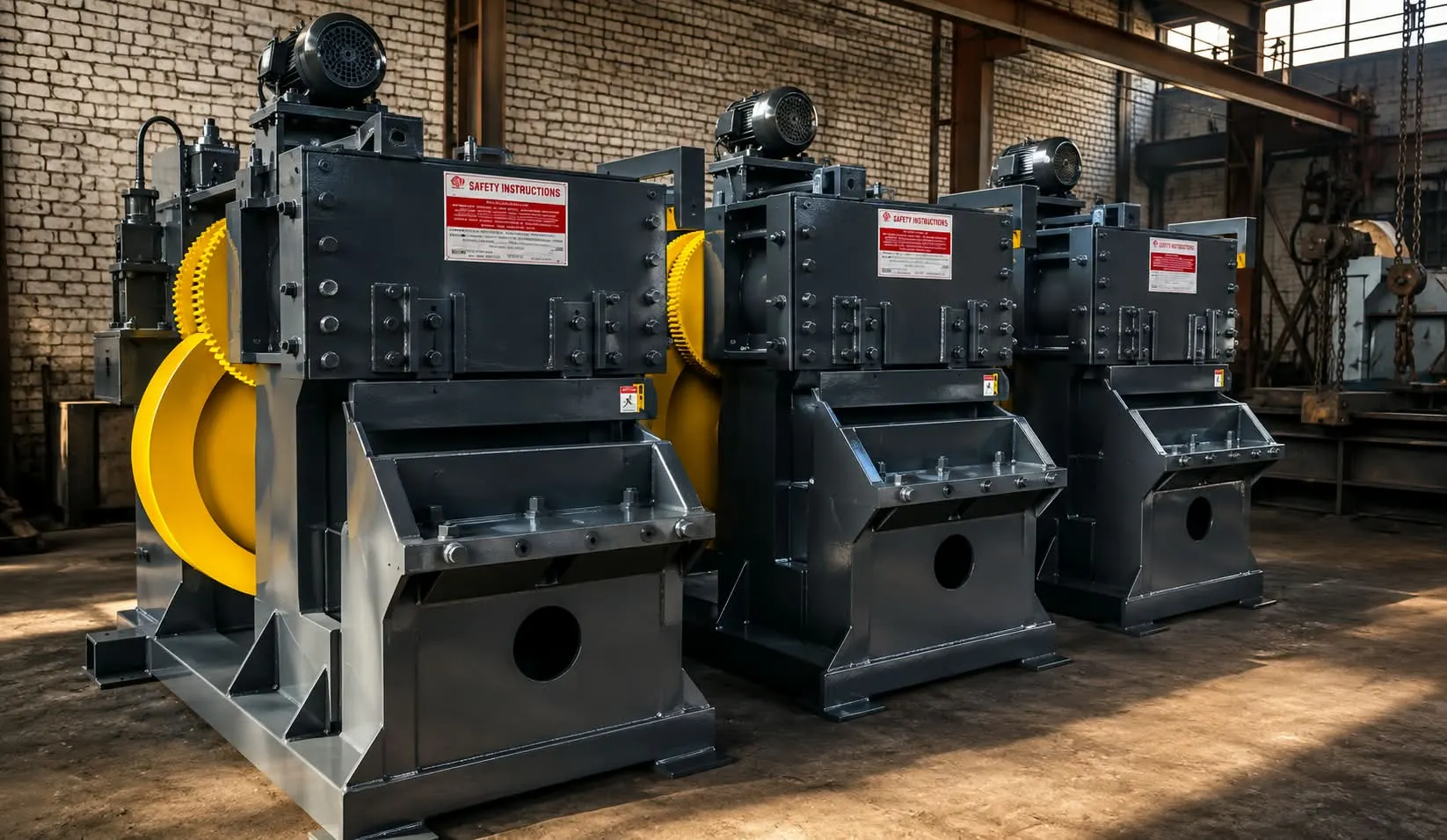
E-waste size reduction is an application of the Narshinga shredder machine, which is also used for tyres, plastic drums, and mixed scrap metal. We do not operate or claim a full WEEE recycling plant — we supply the shredder for recyclers who already handle depollution and sorting.
If your requirement is baling of shredded plastic or metal fractions, that is a second machine (baler) after the shredder. Tell us both steps so the line is specified in the right order.
Operational considerations
- Remove batteries, mercury components, and fluids before shredding. The shredder is not a depollution plant.
- Throughput in tonnes per hour depends on feed mix and screen size — model names are capacity bands, not guarantees for every WEEE mix.
- Downstream sorting is separate from the shredder itself.
Recommended machine family: Shredding Machines. Final model is confirmed by engineering.
Suitable NSG machines
Shredder Machine
- NSG SHR-30 — 1 - 3 Ton/hr
- NSG SHR-75 — 3 - 7 Ton/hr
- NSG SHR-150 — 7 - 15 Ton/hr
Rugged single or double-shaft shredder that reduces scrap metal, tyres, plastic, and e-waste to a uniform, processable size.
View details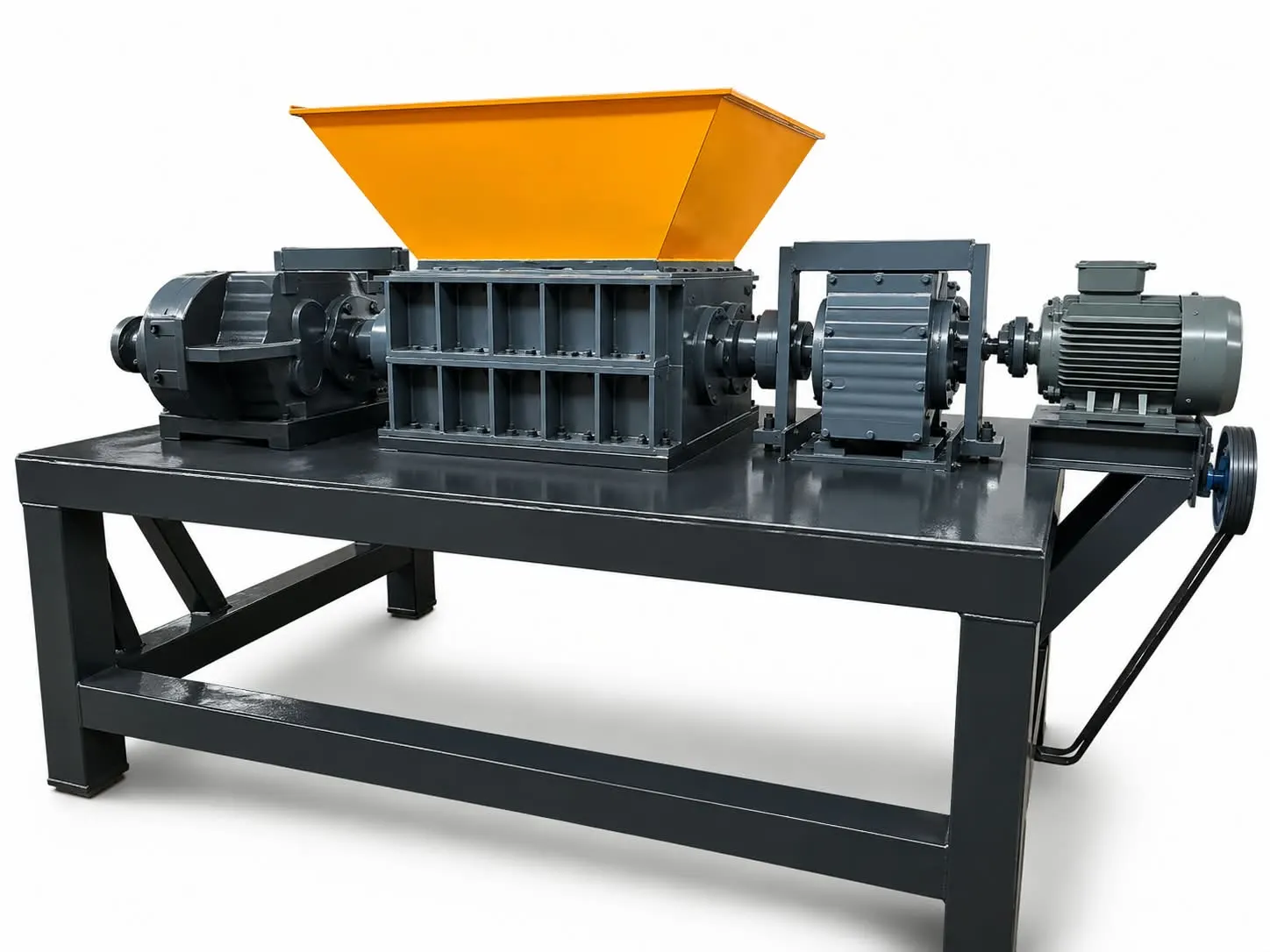
Industries using this application
FAQs
We do not specify a baler as the first step for mixed electronics. Size reduction is done on a shredder after depollution. Baling may apply later to sorted metal or plastic fractions.